Towpath Notes
The canal network, explained slowly
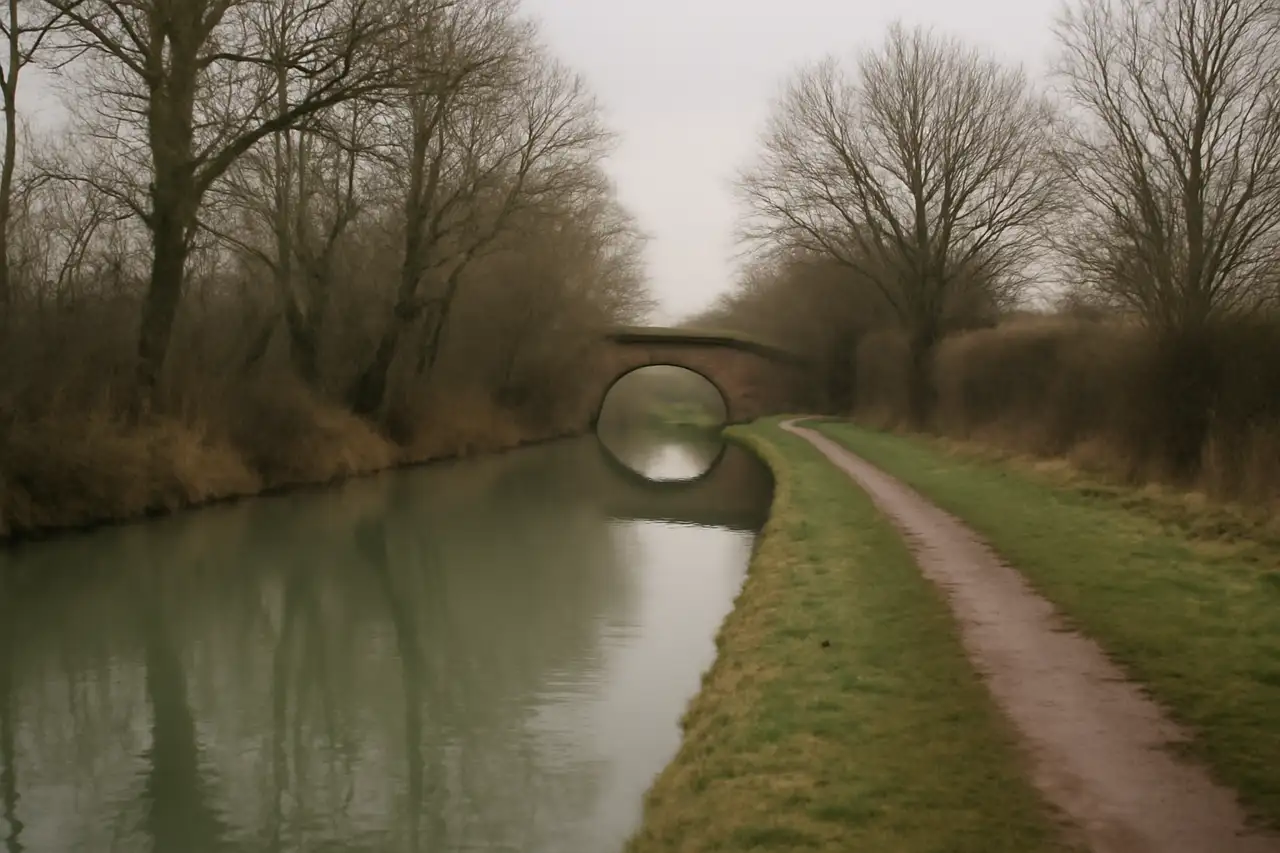
Exploring Britain's Inland Waterways
Welcome to our site, dedicated to demystifying the fascinating world of Britain's inland waterways. These canals and rivers have been an integral part of the landscape for centuries, initially constructed to facilitate the movement of goods during the Industrial Revolution. Here, you'll find plain-language explanations about why these waterways were originally created and how they have transformed over time. Discover the intriguing mechanisms of canal locks, which ingeniously allow boats to navigate uphill, and learn about the towpaths that run alongside these watery routes. These paths, often enjoyed by walkers and cyclists, have a rich history of their own and vary in ownership and management.
For those curious about life on the water, we delve into what living aboard a narrowboat entails. This unique lifestyle offers an alternative way of experiencing Britain's countryside and urban areas, blending a sense of adventure with the practicality of compact living. Whether you're a keen walker, an aspiring boater, or simply intrigued by the charm of these historical waterways, our site provides insightful information to satisfy your curiosity.
Why the Canals Were Cut
Before the advent of the railways, canals played a crucial role in the economic development of industrial Britain. They were designed to solve a fundamental problem faced by industries: the inefficient and costly transportation of heavy goods. Roads at the time were often inadequate for the transport of large volumes of raw materials and finished products, making the movement of coal, iron, and other bulky items laborious and expensive. Canals provided a solution by offering a dependable and relatively smooth waterway that could carry large quantities of goods with ease, significantly reducing transportation costs and facilitating trade.
The Meandering Routes of Canals
The routes of many canals meander rather than run in straight lines due to a combination of geographical, economic, and engineering constraints. Canal builders had to consider the topography of the land, often opting to follow the contours of the landscape to minimise the need for expensive and technically challenging structures like locks and tunnels. Additionally, land ownership and the need to connect existing industrial areas influenced their routes, resulting in a network that wove through various regions to maximise accessibility and economic viability.
Despite their initial success, some canals were abandoned within a relatively short time after their completion. The rapid expansion of the railway network in the 19th century offered an even more efficient mode of transport, capable of carrying goods faster and over greater distances than canals. As railways became the dominant form of transportation, many canals lost their commercial viability and fell into disuse.
Today, the remnants of the canal network have found a new lease of life as recreational spaces. With the decline of commercial freight on the waterways, many former industrial canals have been preserved and restored for leisure activities. They now serve as picturesque routes for walking, cycling, and boating, offering a glimpse into the past while providing valuable green spaces for communities. This transformation highlights the enduring legacy of the canals, repurposed from industrial arteries to tranquil pathways enjoyed by the public.
How a Lock Moves a Boat Uphill
The operation of a lock on a canal is a fascinating example of engineering that allows boats to navigate differences in water levels. At its core, a lock is a chamber with gates at each end. This chamber can be filled or emptied of water to match the water level of the canal on either side. When a boat approaches a lock, it enters the chamber, and the gates are closed behind it. Water is either let in or drained out of the chamber until the water level inside the lock matches that of the higher or lower section of the canal. This filling or emptying process enables the boat to be lifted or lowered, allowing it to continue its journey uphill or downhill.
The Role of Gates in Lock Operation
The gates of a lock are crucial to its operation, and they only open when the water level on both sides is equal. This is because if the gates were to open with differing water levels, the pressure difference could cause a sudden and potentially dangerous rush of water. By ensuring that the water levels are equal, the pressure is stabilised, allowing the gates to be opened safely and the boat to move through the lock smoothly. This mechanism not only protects the vessel but also prevents damage to the lock structure itself.
A flight of locks, which is a series of locks in close succession, can be time-consuming to traverse due to the repeated process of filling and emptying each chamber. The time taken to navigate a flight of locks depends on several factors, including the size of the locks and the number of boats using the flight. Additionally, waiting for the water levels to equalise and the gates to open and close adds to the duration.
While locks might appear as serene elements of a canal, they are indeed complex pieces of working machinery. Their primary function is to facilitate the movement of boats through varying elevations, making them essential to canal navigation. The intricate balance of hydraulics, engineering, and careful operation ensures that they perform this task effectively, emphasising their role as functional components rather than mere decorative features of the waterway landscape.
The towpath and who it is for
The towpath, a familiar feature along many canals and rivers, initially served a very practical purpose. Historically, these paths were constructed to allow horses to tow boats along the waterways, hence the name 'towpath'. With the advent of railways and motor vehicles, the need for horse-drawn transport diminished. However, the towpaths remained, evolving into recreational routes for the public. Today, they are cherished by walkers, runners, and cyclists alike, offering a scenic escape from urban life.
Sharing the Path
As the towpaths transitioned from industrial use to leisure, they naturally became shared spaces. This shift was driven by the increasing demand for accessible outdoor activities. Walkers enjoy the tranquillity and the opportunity to observe wildlife, while runners appreciate the flat, traffic-free terrain. Cyclists, too, find these paths ideal for a leisurely ride or as part of a longer journey. The shared use of towpaths necessitates a harmonious coexistence among different users. This can be achieved through simple courtesies such as cyclists slowing down when approaching pedestrians, and pedestrians staying alert to their surroundings.
The surface of towpaths can vary considerably, often changing abruptly from mile to mile. This inconsistency is largely due to the differing levels of maintenance and historical construction methods used along various sections. Some areas may be well-maintained with a smooth tarmac surface, while others remain more rustic, with gravel or dirt paths. These variations in surface can affect the speed and ease of travel for cyclists and runners, while adding an element of unpredictability to the journey.
To ensure the towpath remains a pleasant space for everyone, certain courtesies are considered essential. Cyclists should give way to walkers and runners, especially in narrow or busy sections. Using a bell or calling out a friendly warning when approaching from behind can prevent surprises. Walkers and runners, meanwhile, should avoid obstructing the path and remain aware of faster users. By respecting each other's space and needs, the towpath can continue to be a welcoming environment for all who use it.
What living aboard involves
Living aboard a boat presents a unique lifestyle that often contrasts with the romanticised perception many hold. While the idea of living on water may evoke images of serene mornings and picturesque sunsets, the reality involves a distinct rhythm and set of responsibilities that differ significantly from conventional living.
The Rhythm of Moving On
The rhythm of life aboard is dictated largely by the constant need to move. Unlike a house, a boat requires frequent repositioning, whether due to changing weather conditions, the need to access different resources, or simply to adhere to mooring regulations. This continual movement fosters a sense of adventure and exploration, but it also demands careful planning and adaptability. Navigating waterways requires knowledge of local regulations, tides, and weather patterns, turning each journey into a calculated endeavour rather than a spontaneous cruise.
One of the practical aspects of living aboard involves managing resources such as water and waste. On a boat, these necessities become scheduled chores rather than conveniences. Freshwater must be conserved and refilled regularly, often requiring trips to harbours or marinas. Waste disposal also becomes a routine task, with specific facilities needed to manage sewage and rubbish. These chores emphasise the importance of self-sufficiency and resourcefulness in daily life.
Seasonal changes also significantly impact life on the water. Winter aboard can be challenging, with the need for adequate heating and insulation to combat the cold, as well as ensuring the boat remains stable during storms. Conversely, summer brings its own challenges, such as increased traffic on waterways and the need for effective ventilation and sun protection. Each season demands different preparations and adjustments, making flexibility and resilience key traits for those living aboard.
Ultimately, the romantic picture of living on a boat often overlooks the practical realities. While the freedom and closeness to nature are undeniable attractions, the lifestyle requires a readiness to tackle the less glamorous aspects, such as maintenance, resource management, and adapting to ever-changing environments. The romance is undoubtedly there, but it is intertwined with practicality and perseverance.